ROHEKANTS

So that the Baltic has a voice — yours and ours

We are a community of people living in Estonia who protect the coast, the forests and the city's nature: signatures, court cases, clean-ups and sheer stubbornness since 2018.

Member login

A closed community. The forum and discussions are open only to members, by personal invitation.

Our mission

So that the Baltic has a voice — yours and ours

We believe that industrial progress must not destroy what nature has given us. Our home is the Baltic coast, the old-growth conifer forests and the clean air our children breathe. The non-profit Rohekants brings together scientists, IT specialists, eco-activists and thousands of caring people across Estonia for one goal: to make technology work for the ecosystem, not against it.

Elina Mägi:
A word from the founder

Elina Mägi:

“People ask us what we're against. We're not ‘against’ — we're for there still being something worth protecting here thirty years from now.”

Greetings, friends and kindred spirits!

When we were just founding Rohekants back in 2018, many people thought we were idealists. We were told it was impossible to stop the pollution of Tallinn's suburbs, and that the big logistics giants would never turn to face nature. But we proved it: the voice of the public can move even the heaviest gears of business.

Over these years we have come a long way — from the first tent pickets at the port gates to building sophisticated digital systems for environmental monitoring. We have learned to talk to business in the language of pragmatism and technology. Today our volunteers don't just pick up litter — they are shaping the future.

We are proud that our initiatives find a response. Thanks to our pressure and the support of responsible partners, the Maardu industrial hub is gradually turning into a protected bio-barrier, and the port of Muuga is becoming an example of environmental safety. In 2026 we are betting on “smart ecology” — bringing together bioremediation, satellite tracking and open data that make every meter of our land transparent to oversight.

But our main resource is you. Every volunteer who goes out on the night watch, every resident who records a violation, every person who has chosen a clean future. The earth can't speak our language, but its voice is heard through us.

Thank you for being with us. Let's protect our home together!

— Elina Mägi, Founder and Executive Director of the non-profit Rohekants

8
years of community work
3 500+
3,500+ signatures on our latest petition
45+
clean-ups and campaigns held
100%
volunteer work
Chronicle of actions

Our campaigns

2018

The “Clean Cosmetics: Say No to Microplastics” initiative

Environmental education and responsible consumption · March 2018

Tons of invisible plastic reach the Baltic straight from our bathrooms: the microbeads in scrubs and shower gels slip through the treatment plants and settle in the gulf. That's where we started — three of us, with placards and a list of brands.

Volunteers audited the cosmetics brands on the Estonian market and compiled a “Green Register” of microplastic-free products. Workshops were held at Telliskivi: Elina Mägi taught people to read the ingredients on the packaging and choose biodegradable alternatives.

Result: An open “Green Register” of microplastic-free cosmetics; the first press coverage of Rohekants. This campaign is where it all began.

2020

The Right to a Forest: Saving the Old Pines of Pirita

Forest protection and the fight against illegal logging · March 2020

The hundred-year-old pine forest of Pirita-Kose was under threat: a private developer, using loopholes in municipal planning, was getting ready to clear it for a gated cottage community.

We set up the “Living Shield” tent camp right in the felling zone and blocked the construction machinery. At the same time our lawyers challenged the developer's environmental assessment in court.

Result: The court sided with us: the forest was granted the status of a protected natural area. There was no felling and there won't be.

2021

The “Wings over the Baltic: Saving Migratory Birds” project

Bird protection and bio-monitoring · March 2021

The coastal reed beds east of Tallinn are a vital resting point for thousands of migratory birds on their way north. Development of the shoreline and tourist litter were taking their home away.

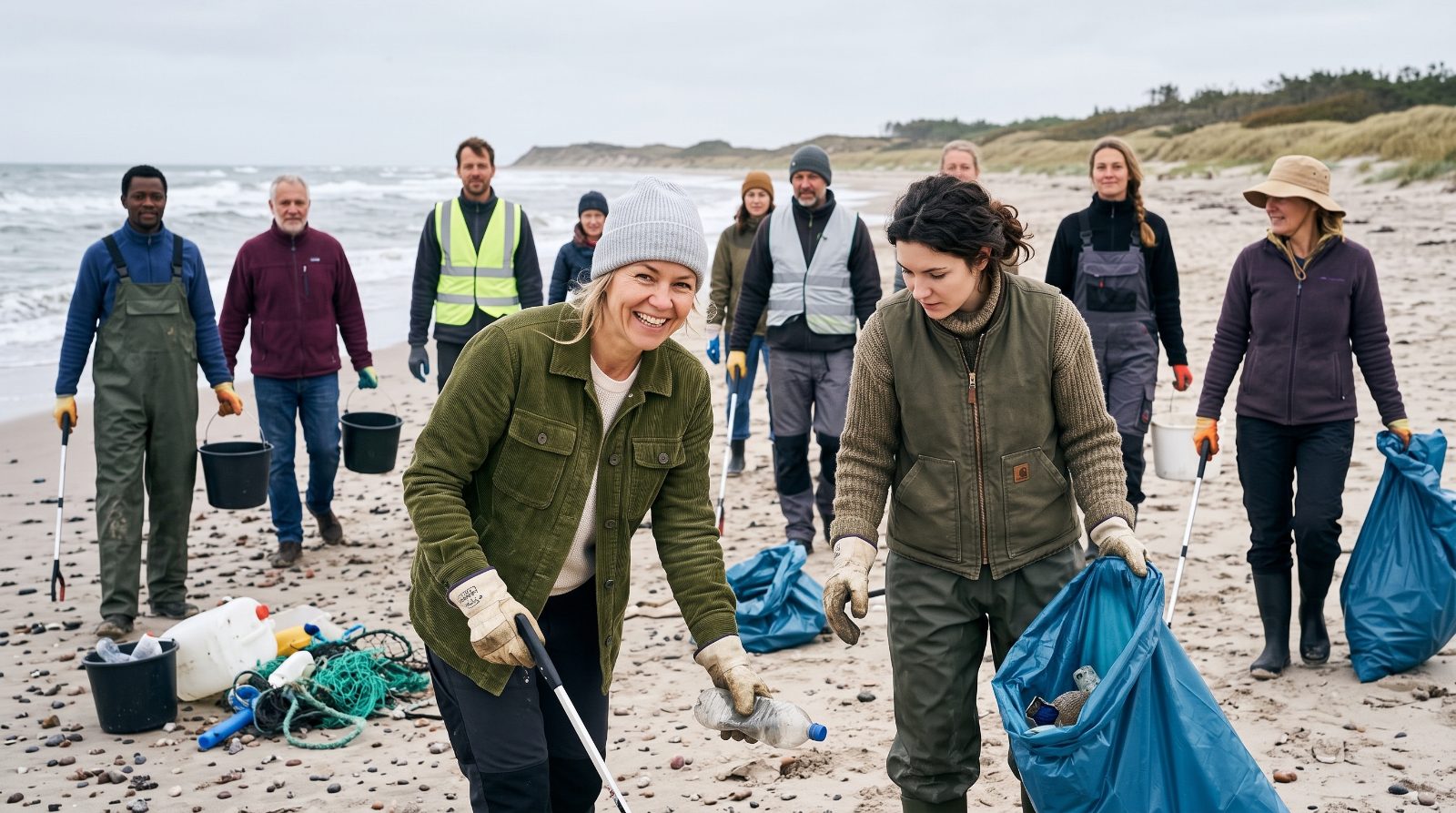
More than 50 volunteers cleared 2 kilometers of shoreline of litter, installed covered nesting platforms for rare waterfowl by hand and put up signs asking people to keep the quiet.

Result: 2 kilometers of clean shore and more than 30 nesting platforms. The first broods came that very same year.

2021

Baltic eco-monitoring: clearing blue-green algae from the Muuga waters

Protecting the waters and biodiversity of the Gulf of Finland · June 2021

The blue-green algae bloom at the piers of Muuga port threatened to kill the coastal ecosystem and fill the residential blocks with the smell of hydrogen sulfide.

Activists mapped the hotspots in an emergency survey, and our partner TGF provided equipment to pull out the biomass. The collected material was taken away in sealed eco-containers to the landfill in Maardu to be turned into fertilizer.

Result: 3.2 tons of biomass removed from the water. The first joint operation with TGF, after which such operations became regular.

2022

Anti-Fuel-Oil: Operation “Gray Storm”

Cleaning up after coastal pollution · October 2022

After a night storm the rocky shore of the Kopli peninsula was covered with oil-soaked soil. Waiting for a scheduled clean-up meant letting the oil wash back into the water with the first rain.

Over four days volunteers, together with TGF's logistics people, collected and packed the hazardous waste into sealed eco-containers and sent it off for specialized thermal processing.

Result: More than 8 tons of oil-soaked soil cleared from the shore in four days and disposed of properly, not buried.

2023

Emergency eco-landing: shutting down an illegal dump in Maardu

Fighting illegal dumps and restoring soil · September 2023

On the edge of Maardu our coordinators found an illegal industrial waste dump: canisters of fuel oil, tires, tons of rubber dumped right on the ground of the port zone.

We called an emergency mobilization. 40 volunteers sorted through the piles for three days and nights; TGF's heavy machinery and the “green order” they arranged let the waste go for disposal without waiting in the port queues.

Result: The dump was cleared in three days; tons of fuel-oil canisters and tires sent for disposal, the site handed over for restoration.

2024

Night Watch in Muuga

Citizen monitoring and coastal protection · October 2024

Environmental crimes in the port happen under cover of darkness. We took night monitoring of the coast to a new level: volunteers with portable thermal cameras began regular patrols of the Muuga coastal areas.

TGF's analytics system points floodlights at the vulnerable sectors of the port, and the patrols see what used to go unnoticed.

Result: Two illegal discharges of oil products from transit ships recorded and handed over to the inspectorate. The watch goes out every week.

2025

The “Green Corridor: Save the Harku Forest Park” initiative

Protecting forests and animal migration routes · April 2025

The plan to widen the highway through the Harku forest park ignored the fact that the road cuts across animal migration routes.

Volunteers carried out an independent assessment and set up camera traps on the stretch planned for widening. The evidence of migration they gathered, together with public pickets, landed on the planners' desks.

Result: The plan was sent back for revision with a requirement to include a wildlife overpass. The camera traps are still running.

2026

“Air Shield”: monitoring port emissions

Citizen air-quality monitoring · June 2026

Residents complained about a chemical smell at night, and the official reports said everything was within limits. We decided to measure it ourselves.

Activists deployed a network of 15 portable air-quality sensors along the edge of Vanasadam and recorded the night-time concentration peaks of harmful substances for several weeks.

Result: The peaks were handed over to the Environmental Inspectorate; the port operators revised their tanker degassing procedures. The sensors stay where they are.

Access to the platform is by personal invitation — for those who have taken part in our campaigns.